Introduction
The Amyloid Mechanism and Disease Center brings together researchers interested in advancing the understanding of amyloid mechanisms and finding treatments of neurodegenerative disorders. Some of us focus directly on these questions while others bring expertise in useful techniques or model systems, and/or are simply interested in learning more to possibly pursue this direction of research. We are stronger together - everyone is welcome to join the community and participate in events.
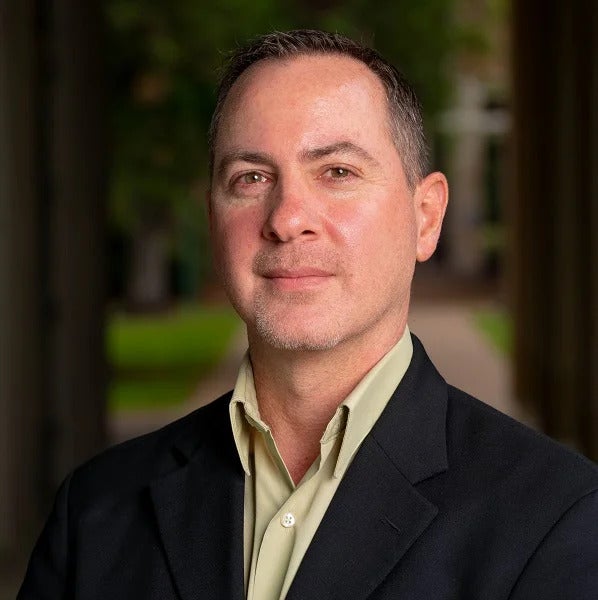
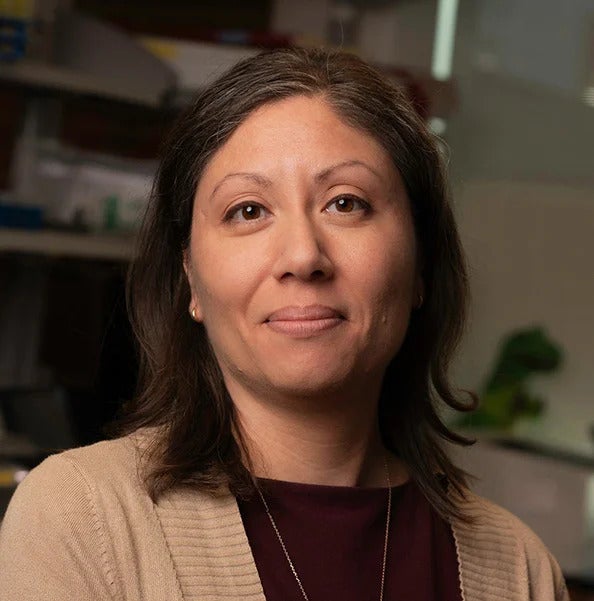
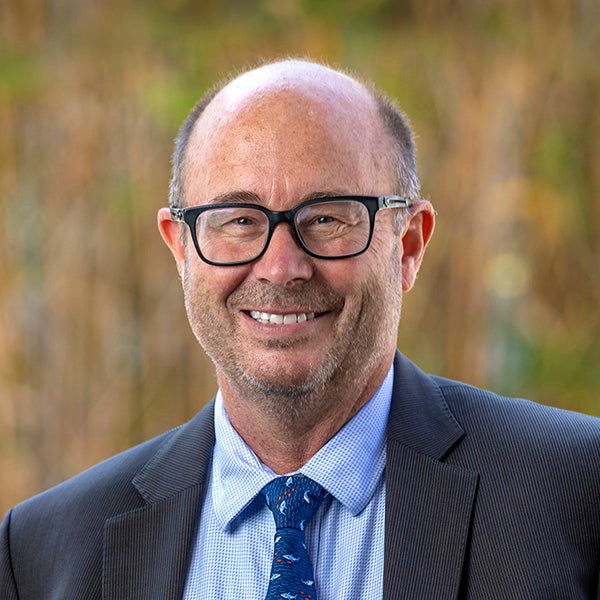
Some key affiliated scientists are: Pernilla Wittung-Stafshede who focuses on the molecular mechanisms of amyloid formation and reactivity in Parkinson’s disease; Angel Martí who develops novel photochemical and luminescent molecular tools to detect and study amyloids; Peter Wolynes who applies theoretical physics and energy landscape theory to model mechanisms of protein misfolding and aggregation; Yuan Ma who uses chemical biology to develop new amyloid-protein detection tools; Natashia Kirienko who uses C. elegans worms to study immune responses to pathological stresses; and Rosa Uribe and Harini Iyer who both use zebrafish to study the nervous system in neurodevelopment and degeneration. See the full list of affiliated researchers below.
Executive Director
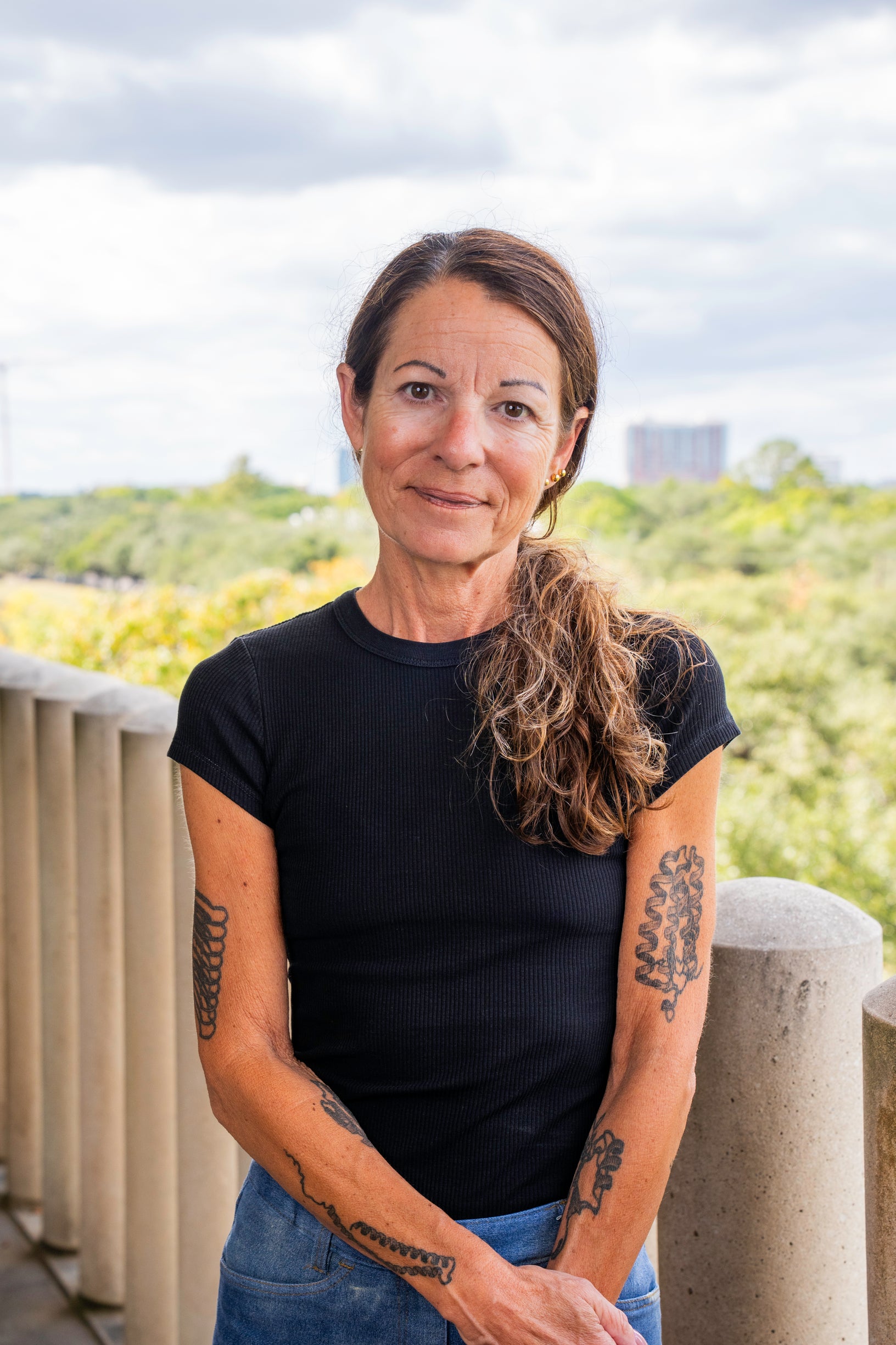
Dr. Pernilla Wittung-Stafshede
Department of Chemistry
View ProfileDr. Pernilla Wittung-Stafshede is a professor who returned to Rice University in 2025 after many years leading research in Sweden. Her group uses biophysical and biochemical tools to study the (dys)functional properties of proteins and biological pathways at the molecular level, with the aim of advancing fundamental knowledge to improve human health. The group focuses on copper-binding proteins linked to cancer and on misfolded proteins in neurodegenerative diseases, often with a central theme of cross-reactivity between different biomolecules.